

As a seasoned overhead line cable supplier, I've seen firsthand the importance of proper cable labeling. In the complex world of electrical infrastructure, clear and accurate labeling is not just a formality; it's a critical safety and efficiency measure. This blog will delve into the intricacies of how overhead line cables are labeled, exploring the standards, methods, and the significance of these labels in the industry.
The Importance of Cable Labeling
Before we dive into the details of how cables are labeled, let's understand why it's so crucial. Overhead line cables are used to transmit electrical power over long distances, often in challenging environments. These cables come in various types, sizes, and specifications, each designed for a specific purpose. Labeling helps in several ways:

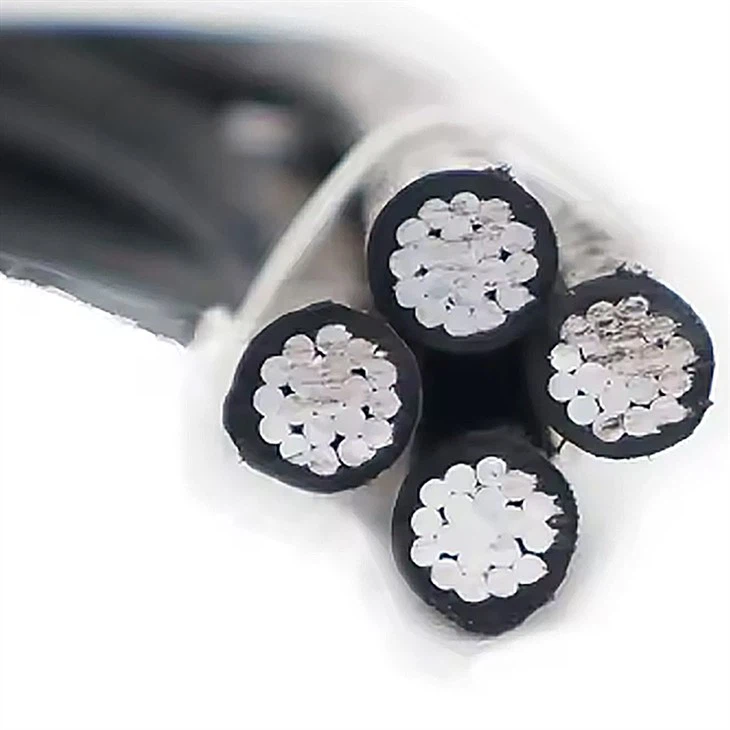
- Safety: In a maintenance or emergency situation, workers need to quickly identify the cable they are dealing with. Incorrect identification can lead to serious safety hazards, such as electrical shock or short circuits.
- Identification: Cable labels provide essential information about the cable's type, voltage rating, capacity, and other technical details. This information is vital for proper installation, maintenance, and troubleshooting.
- Compliance: Many regulatory bodies require overhead line cables to be labeled according to specific standards. Compliance with these standards ensures the safety of the public and the reliability of the electrical grid.
Cable Labeling Standards
There are several international and national standards that govern the labeling of overhead line cables. These standards ensure consistency and accuracy in the information provided on the labels. Some of the widely recognized standards include:
- IEEE Standards: The Institute of Electrical and Electronics Engineers (IEEE) has developed a series of standards for electrical cables, including those for overhead lines. These standards cover aspects such as cable construction, performance, and labeling.
- IEC Standards: The International Electrotechnical Commission (IEC) also has standards related to electrical cables. IEC standards are widely adopted around the world and provide a framework for cable manufacturers to follow.
- National Standards: In addition to international standards, many countries have their own national standards for cable labeling. These standards may be more specific to the local regulations and requirements.
What Information is Included on Cable Labels?
A typical overhead line cable label contains the following information:
- Cable Type: This indicates the type of cable, such as Aluminum Aerial Bundled Cable Cable 4 Phase Core, Aerial Bundled Cable Strip Steel Core, or Aluminum Conductor Steel Reinforced. Different cable types have different properties and are suitable for different applications.
- Voltage Rating: The voltage rating specifies the maximum voltage that the cable can safely carry. This is a critical piece of information, as using a cable with an inappropriate voltage rating can lead to cable failure and safety risks.
- Capacity: The capacity of the cable refers to the amount of electrical current it can carry. This is usually expressed in amperes (A) and is determined by factors such as the cable's cross-sectional area and the type of conductor material.
- Manufacturer Information: The label also includes the name and contact information of the cable manufacturer. This allows for easy identification and communication in case of any issues or questions.
- Date of Manufacture: The date of manufacture is important for tracking the age of the cable and determining its expected lifespan. Older cables may require more frequent inspections and maintenance.
- Serial Number: A unique serial number is assigned to each cable for traceability purposes. This number can be used to track the cable's history, including its installation, maintenance, and any repairs or replacements.
Methods of Cable Labeling
There are several methods used to label overhead line cables, each with its own advantages and disadvantages. Some of the common methods include:
- Printing: Printing is a popular method for labeling cables. It involves using a printing machine to apply the label directly onto the cable surface. Printing provides a clear and durable label that can withstand harsh environmental conditions.
- Embossing: Embossing is a process in which the label is pressed into the cable surface. This creates a raised label that is resistant to wear and tear. Embossed labels are often used in applications where the cable will be exposed to mechanical stress.
- Tape Labels: Tape labels are adhesive labels that are applied to the cable surface. They are easy to apply and can be customized with different colors and patterns. However, tape labels may not be as durable as printed or embossed labels, especially in outdoor environments.
- Heat-Shrink Labels: Heat-shrink labels are made of a special material that shrinks when heated. They are applied to the cable and then heated to conform to the cable's shape. Heat-shrink labels provide a tight and secure fit, making them suitable for use in harsh environments.
Challenges in Cable Labeling
While cable labeling is an important process, it also presents several challenges. Some of the common challenges include:
- Environmental Factors: Overhead line cables are exposed to various environmental factors, such as sunlight, moisture, and temperature changes. These factors can cause the labels to fade, peel, or become illegible over time.
- Mechanical Stress: Cables are often subjected to mechanical stress during installation, maintenance, and operation. This can cause the labels to be damaged or removed.
- Compliance with Standards: Ensuring compliance with the various cable labeling standards can be a complex and time-consuming process. Manufacturers need to stay up-to-date with the latest standards and ensure that their labels meet all the requirements.
- Cost: The cost of cable labeling can be a significant factor, especially for large-scale projects. Manufacturers need to balance the cost of labeling with the need for clear and accurate information.
Solutions to Overcome Challenges
To overcome the challenges in cable labeling, several solutions can be implemented:
- Use of Durable Materials: Choosing high-quality materials for labels can help to improve their durability and resistance to environmental factors. For example, using UV-resistant inks and adhesives can prevent the labels from fading or peeling in sunlight.
- Proper Installation: Ensuring that the labels are properly installed can help to prevent them from being damaged or removed. This may involve using the correct installation methods and tools, as well as providing adequate protection for the labels.
- Regular Inspections: Conducting regular inspections of the cable labels can help to identify any issues early on and take corrective action. This can include replacing damaged or illegible labels.
- Training and Education: Providing training and education to workers on the importance of cable labeling and the proper handling of labeled cables can help to ensure that the labels are maintained and used correctly.
Conclusion
In conclusion, proper cable labeling is essential for the safety, efficiency, and reliability of overhead line systems. By following the relevant standards and using appropriate labeling methods, cable manufacturers can provide clear and accurate information about their products. As an overhead line cable supplier, we are committed to providing high-quality cables with clear and durable labels. If you are in need of overhead line cables or have any questions about cable labeling, please feel free to [contact us for a purchase consultation]. We look forward to working with you to meet your electrical infrastructure needs.
References
- Institute of Electrical and Electronics Engineers (IEEE). IEEE Standards for Electrical Cables.
- International Electrotechnical Commission (IEC). IEC Standards for Electrical Cables.
- National Electrical Code (NEC). NEC Requirements for Cable Labeling.


