

Hey there! I'm a supplier of solar panel adapters, and I've been getting a lot of questions lately about how to store these adapters when they're not in use. It might seem like a simple thing, but trust me, proper storage can make a huge difference in the lifespan and performance of your solar panel adapter.
Why Proper Storage Matters
Let's first talk about why it's so important to store your solar panel adapter correctly. These adapters are precision pieces of equipment. They're designed to efficiently transfer the electricity generated by your solar panels to your electrical system. When exposed to the wrong conditions during storage, they can suffer from corrosion, physical damage, or even electrical degradation.
Corrosion is one of the biggest enemies of any electrical component. If the adapter is stored in a damp or humid environment, moisture can seep into the connections and start to eat away at the metal. This not only weakens the electrical conductivity but can also lead to short - circuits or other malfunctions when you try to use the adapter again.
Physical damage is another issue. If the adapter is tossed around or stored in a place where it can be stepped on or crushed, the delicate internal wiring can be damaged. Even a small break in the wire can disrupt the flow of electricity and render the adapter useless.
Choosing the Right Storage Location
So, where should you store your solar panel adapter? The first thing you need is a dry environment. A humidity - controlled storage area is ideal. This could be a climate - controlled basement or a storage shed with a dehumidifier. Moisture is the main culprit when it comes to corrosion, so keeping the humidity low is crucial.
Temperature is also an important factor. Extreme temperatures can cause the materials in the adapter to expand or contract. This can lead to cracks in the casing or loose connections. Aim for a storage temperature between 10°C and 30°C (50°F and 86°F). Avoid storing the adapter in direct sunlight, as this can cause overheating and damage to the plastic components.
A clean and dust - free location is also essential. Dust can accumulate on the adapter's surface and inside its ports. Over time, this dust can act like an abrasive, wearing down the components and reducing the adapter's efficiency. A sealed storage container can be a great way to keep dust out.
Preparation Before Storage
Before you pack up your solar panel adapter for storage, there are a few things you should do. First, make sure it's clean. Use a soft, dry cloth to wipe away any dirt or debris from the surface of the adapter. If there are stubborn stains, you can use a mild cleaning solution, but make sure to dry the adapter thoroughly afterward.
Inspect the adapter for any signs of damage. Look for cracks in the casing, loose wires, or any other visible issues. If you notice any problems, it's best to have them fixed before storing the adapter. This will save you a lot of trouble when you need to use it again.
Disconnect the adapter from all power sources and other equipment. This not only prevents any electrical accidents but also reduces the risk of damage to the adapter while it's in storage.
The Storage Process
Once you've prepared the adapter, it's time to store it. If possible, use the original packaging. The original box is designed to provide the right amount of protection and support for the adapter. If you don't have the original packaging, you can use a sturdy, padded storage container.
Wrap the adapter in a soft, anti - static material. This helps to protect it from dust and static electricity, which can damage sensitive electronic components. You can use bubble wrap or an anti - static bag for this purpose.
If your adapter comes with cables, make sure to coil them neatly. Avoid making tight knots, as this can damage the wires inside the cables. You can use cable ties or Velcro straps to keep the cables organized.
Long - Term Storage Considerations
If you're planning to store the solar panel adapter for an extended period, there are a few extra steps you can take. Check on the adapter periodically. Every few months, open the storage container and inspect the adapter for any signs of damage or corrosion. If you notice any issues, address them immediately.
You may also want to consider using a desiccant in the storage container. A desiccant is a substance that absorbs moisture, such as silica gel packets. This can help to keep the environment inside the container dry and prevent corrosion.
Complementary Products for Solar Systems
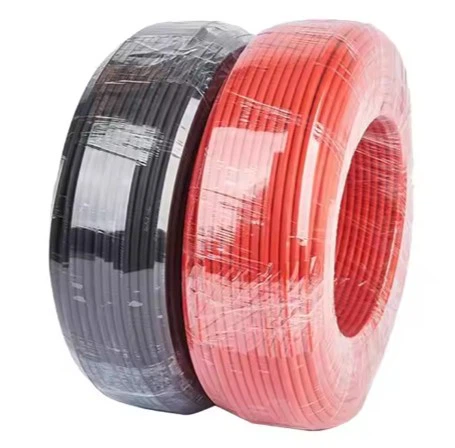
When it comes to solar panel systems, it's not just about the adapters. You might also need high - quality cables to ensure the efficient transfer of electricity. We offer a range of PV cables that are essential for any solar setup. Check out our PV Solar Cable for a reliable and durable option. If you need single - core options, our Single - core Photovoltaic Cable is a great choice. And for extending your existing cables, our Extension Photovoltaic Dc Cables are just what you need.
Reach Out for More
If you're in the market for solar panel adapters or any of the other products we offer, don't hesitate to reach out. We're here to help you find the right solutions for your solar energy needs. Whether you're a homeowner looking to install a small solar system or a business owner with a large - scale project, we've got the expertise and the products to support you.

References
- "Solar Power Systems Handbook" - A comprehensive guide on solar energy components and their maintenance.
- Professional advice from industry experts in the solar energy field.


