

Installing overhead line cables in mining areas is a complex yet crucial task that requires careful planning, specialized knowledge, and high - quality equipment. As an overhead line cable supplier, I understand the unique challenges and requirements of the mining industry. In this blog, I will share a comprehensive guide on how to install overhead line cables in mining areas.
Pre - installation Planning
Site Assessment
Before any installation work begins, a thorough site assessment is essential. Mining areas are often characterized by rough terrains, high levels of dust, and potential exposure to explosive gases. Survey the area to identify the best route for the overhead line. Consider factors such as the distance between the power source and the mining facilities, the presence of existing infrastructure, and any natural obstacles like mountains or rivers. It is also important to assess the soil conditions for the placement of poles or towers, as stable foundations are crucial for the long - term safety of the overhead lines.
Cable Selection
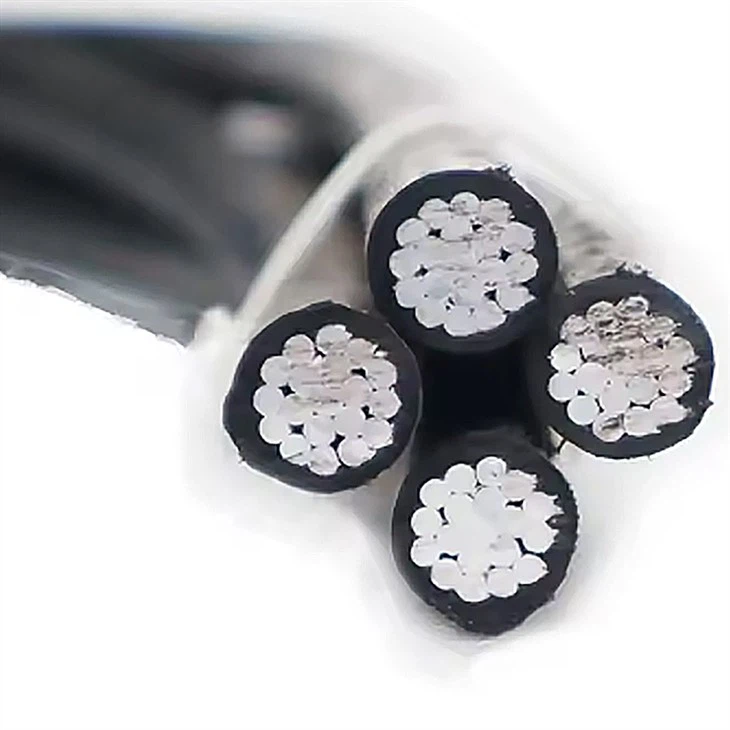
Choosing the right type of cable is a critical step. Different mining operations have different power requirements, and the cable must be able to withstand the harsh environmental conditions. For example, in areas with high levels of moisture or corrosive substances, cables with appropriate insulation and sheathing are necessary. As an overhead line cable supplier, we offer a wide range of products, including Aluminum Aerial Bundled Cable Cable 4 Phase Core, which is suitable for medium - voltage distribution in mining areas. It provides good electrical performance and is relatively easy to install. Another option is the Aerial Bundled Cable NO Steel Core, which is lightweight and cost - effective for certain applications. For high - voltage transmission, Aluminum Conductor Steel Reinforced cables are a popular choice due to their high strength and good conductivity.
Regulatory Compliance
Mining operations are subject to strict regulations regarding safety and environmental protection. Ensure that the installation of overhead line cables complies with all relevant local, national, and international standards. This includes requirements for cable installation height, grounding, and protection against lightning and other electrical hazards. Obtain all necessary permits and approvals before starting the installation work.
Installation Process
Pole or Tower Erection
The first step in the installation process is to erect the poles or towers that will support the overhead line cables. The type of support structure depends on factors such as the cable's voltage level, span length, and terrain. Wooden poles are commonly used for low - voltage distribution, while steel or concrete towers are preferred for high - voltage transmission. When erecting poles or towers, ensure that they are placed at the correct intervals and are firmly anchored to the ground. Use appropriate equipment such as cranes and winches to lift and position the structures safely.
Cable Stringing
Once the poles or towers are in place, it is time to string the cables. This process requires careful coordination and the use of specialized equipment. Start by uncoiling the cables from the reels and then use pulling machines to draw the cables along the route. Make sure to keep the cables at a proper tension to avoid sagging or excessive stress. During the stringing process, use cable rollers at the top of the poles or towers to reduce friction and prevent damage to the cables.

Connection and Termination
After the cables are strung, they need to be connected and terminated. This involves joining the cables together using appropriate connectors and ensuring that the electrical connections are secure. Use insulating materials to cover the connections and prevent electrical leakage. At the end of the cables, install terminations such as cable heads or bushings, which are designed to provide a safe and reliable connection between the cables and the electrical equipment.
Grounding
Grounding is an important safety measure in overhead line cable installation. It helps to protect the cables and the associated equipment from lightning strikes and electrical faults. Install grounding electrodes at regular intervals along the route of the overhead line. Connect the cables and the support structures to the grounding system using grounding conductors. Ensure that the grounding resistance meets the required standards.
Post - installation Testing and Maintenance
Testing
Once the installation is complete, conduct a series of tests to ensure that the overhead line cables are functioning properly. These tests may include insulation resistance testing, voltage testing, and continuity testing. Use specialized testing equipment to measure the electrical parameters of the cables and compare the results with the specified standards. Any abnormalities should be investigated and corrected immediately.
Maintenance
Regular maintenance is essential to ensure the long - term reliability and safety of the overhead line cables in mining areas. This includes inspecting the cables and the support structures for signs of damage, corrosion, or wear. Trim any vegetation that may grow too close to the cables and could cause interference. Replace any damaged or worn - out components promptly. Develop a maintenance schedule and ensure that all maintenance work is carried out by trained personnel.
Conclusion
Installing overhead line cables in mining areas is a challenging but achievable task. By following the steps outlined in this guide, conducting proper pre - installation planning, using high - quality cables and equipment, and implementing regular maintenance, you can ensure a safe and reliable power supply for your mining operations. As an overhead line cable supplier, we are committed to providing you with the best products and technical support. If you are interested in our products or need more information about overhead line cable installation in mining areas, please feel free to contact us for procurement discussions. We look forward to working with you to meet your power distribution needs in the mining industry.
References
- Electrical Safety Standards for Mining Areas, National Mining Association
- Overhead Line Cable Installation Guidelines, International Electrotechnical Commission
- Cable Selection and Application in Harsh Environments, IEEE Transactions on Power Delivery


