

As a solar PV wire supplier, ensuring the quality of our products is of utmost importance. Solar PV wires are the lifelines of photovoltaic systems, transmitting the generated electricity from solar panels to inverters and other components. Any defect or sub - standard quality in these wires can lead to power losses, safety hazards, and reduced system lifespan. In this blog, I will share some key methods on how to test the quality of solar PV wire.
1. Visual Inspection
The first step in quality testing is a simple yet crucial visual inspection. When you receive a batch of solar PV wires, carefully examine their appearance. The outer insulation should be smooth, without any visible cracks, cuts, or bubbles. Uneven surfaces can indicate poor manufacturing processes or damage during transportation.
Check the color of the insulation. For standard solar PV wires, the color should be consistent and in line with industry norms. Deviations in color might suggest the use of low - quality materials. Also, look at the markings on the wire. The wire should be clearly marked with important information such as the manufacturer's name, wire size, voltage rating, and compliance standards. For example, wires that comply with international standards like TUV, UL, or IEC should have the corresponding markings. If the markings are faint, incomplete, or inaccurate, it could be a sign of a sub - par product.
2. Dimension Measurement
Accurate dimensions are essential for solar PV wires. Use precision measuring tools such as calipers to measure the outer diameter of the wire and the thickness of the insulation. These measurements should match the specifications provided by the manufacturer.
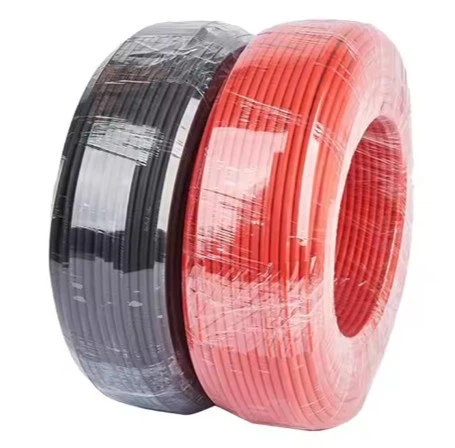

The conductor diameter is also a critical factor. A thinner conductor than specified can result in increased resistance, which leads to power losses and overheating. Measure the conductor diameter at multiple points along the wire to ensure uniformity. If the dimensions deviate from the standard values, it may affect the wire's electrical performance and safety.
3. Electrical Performance Testing
Resistance Testing
Resistance is a fundamental electrical property of wires. Use a high - precision multimeter to measure the resistance of the solar PV wire. The resistance should be within the range specified by the manufacturer. Higher resistance can cause power losses in the form of heat, reducing the overall efficiency of the photovoltaic system.
To perform the test, connect the multimeter probes to the two ends of the wire. Make sure the connections are secure and there is no contact resistance that could affect the measurement. Measure the resistance at different temperatures, as the resistance of a wire changes with temperature. A good quality wire should have a stable resistance - temperature relationship.
Insulation Resistance Testing
Insulation resistance is crucial for preventing electrical leakage and ensuring safety. Use an insulation resistance tester to measure the insulation resistance of the wire. The tester applies a high voltage (usually between 500V and 1000V) to the wire and measures the resistance between the conductor and the outer insulation.
A high insulation resistance value indicates good insulation quality. Low insulation resistance can be a sign of damaged insulation, moisture ingress, or poor insulation material. This test should be performed at different environmental conditions, such as high humidity, to simulate real - world scenarios.
Voltage Rating Testing
Solar PV wires are designed to operate at specific voltage levels. To test the voltage rating, apply a gradually increasing voltage to the wire until it reaches the rated voltage. Monitor the wire for any signs of electrical breakdown, such as arcing or insulation failure.
This test should be conducted in a controlled environment using a regulated power supply. If the wire fails to withstand the rated voltage, it is not suitable for use in a photovoltaic system and may pose a safety risk.
4. Mechanical Performance Testing
Tensile Strength Testing
Solar PV wires may be subjected to mechanical stress during installation and use. Tensile strength testing measures the maximum amount of tensile force a wire can withstand before breaking. Use a tensile testing machine to gradually apply a pulling force to the wire until it breaks.
The tensile strength should meet the industry standards and the manufacturer's specifications. A wire with low tensile strength is more likely to break during installation or due to environmental factors such as wind or vibration, which can disrupt the electrical connection and cause system failures.
Bending and Flexing Testing
In real - world applications, solar PV wires often need to be bent and flexed. Bending and flexing testing simulates these conditions to evaluate the wire's durability. Use a bending and flexing machine to repeatedly bend and flex the wire a certain number of times.
After the test, visually inspect the wire for any signs of damage, such as cracks in the insulation or breaks in the conductor. A high - quality wire should be able to withstand a significant number of bending and flexing cycles without failure.
5. Environmental Resistance Testing
Temperature Resistance Testing
Solar PV systems operate in a wide range of temperatures. Temperature resistance testing evaluates how the wire performs under different temperature conditions. Place the wire in a temperature - controlled chamber and subject it to high and low temperatures for a specified period.
Measure the electrical and mechanical properties of the wire before and after the temperature exposure. A good quality wire should maintain its performance within an acceptable range across the temperature spectrum. For example, the insulation should not become brittle at low temperatures or soften at high temperatures.
UV Resistance Testing
Solar PV wires are constantly exposed to sunlight, which contains ultraviolet (UV) radiation. UV radiation can degrade the insulation material over time, leading to cracks and reduced performance. To test UV resistance, place the wire in a UV chamber and expose it to a high - intensity UV light source for a specific duration.
After the exposure, check the wire for any signs of degradation, such as discoloration, cracking, or loss of mechanical strength. Wires with good UV resistance are essential for long - term performance in outdoor photovoltaic systems.
Chemical Resistance Testing
Solar PV wires may come into contact with various chemicals during installation and use, such as cleaning agents or environmental pollutants. Chemical resistance testing involves exposing the wire to different chemicals and evaluating its performance.
Immerse the wire in a solution of the relevant chemicals for a specified time. Then, measure the electrical and mechanical properties of the wire to check for any changes. A high - quality wire should be resistant to chemical corrosion and maintain its performance even when exposed to chemicals.
6. Flame Retardancy Testing
Safety is a top priority in photovoltaic systems. Flame retardancy testing evaluates the wire's ability to resist burning and prevent the spread of fire. Use a flame test apparatus to apply a flame to the wire for a specified period.
Observe the wire's behavior during and after the flame exposure. A good quality solar PV wire should self - extinguish within a short time after the flame is removed. It should also produce minimal smoke and toxic gases during combustion. Flame - retardant wires can significantly reduce the risk of fire in photovoltaic systems.
Conclusion
Testing the quality of solar PV wires is a comprehensive process that involves multiple aspects, including visual inspection, dimension measurement, electrical and mechanical performance testing, environmental resistance testing, and flame retardancy testing. As a solar PV wire supplier, we are committed to providing high - quality products that meet or exceed industry standards.
If you are in the market for reliable solar PV wires, we offer a wide range of products, including Extension Photovoltaic Dc Cables, Single - core Photovoltaic Cable, and PV Solar Cable. Our products have undergone rigorous quality testing to ensure optimal performance and safety.
If you are interested in our solar PV wires or have any questions about quality testing, please feel free to contact us for procurement and further discussion. We look forward to working with you to build a more sustainable future with high - quality photovoltaic systems.
References
- International Electrotechnical Commission (IEC) standards for solar PV cables.
- Underwriters Laboratories (UL) standards for electrical wires and cables.
- TUV Rheinland guidelines for testing and certification of solar PV products.


