

Hey there! I'm an overhead cable supplier, and today I want to chat about the common faults of overhead cables. Overhead cables are a crucial part of our power transmission and distribution systems, but they're not immune to problems. Knowing these common faults can help you better maintain your cables and avoid potential issues.
1. Insulation Damage
One of the most common problems with overhead cables is insulation damage. The insulation on overhead cables is there to protect the conductors from environmental factors and prevent electrical leakage. But over time, it can wear out due to various reasons.
- Weather Conditions: Exposure to extreme weather is a major culprit. Sunlight, especially the UV rays, can gradually degrade the insulation material. High temperatures can cause the insulation to become brittle and crack, while cold temperatures can make it contract and potentially lead to small fractures. Heavy rain, snow, and hail can also physically damage the insulation, creating entry points for moisture.
- Mechanical Stress: Overhead cables are often subject to mechanical stress. This can come from wind-induced vibrations, which can cause the cables to rub against each other or against their supports. Birds building nests on the cables can also cause physical damage to the insulation. If the insulation is damaged, it can lead to electrical leakage, which not only wastes energy but also poses a safety hazard.
2. Corrosion
Corrosion is another significant issue for overhead cables. The conductors in overhead cables are usually made of metals like aluminum or copper, which are susceptible to corrosion.
- Environmental Factors: The presence of moisture and pollutants in the air can accelerate corrosion. In coastal areas, the salt in the air can be particularly corrosive to the cables. Industrial areas with high levels of sulfur dioxide and other pollutants can also cause corrosion. Corrosion weakens the conductors, reducing their conductivity and increasing the risk of cable failure.
- Galvanic Corrosion: When different metals are in contact in the presence of an electrolyte (such as moisture), galvanic corrosion can occur. For example, if a steel support is in contact with an aluminum cable, a galvanic cell can form, leading to accelerated corrosion of the aluminum. To prevent this, proper insulation and coating can be used to separate different metals.
3. Sagging
Sagging is a common problem that can affect the performance and safety of overhead cables.
- Temperature Changes: Overhead cables expand and contract with temperature changes. In hot weather, the cables expand and sag more, while in cold weather, they contract and become tauter. If the cables are not properly tensioned during installation, excessive sagging can occur during hot weather. This can cause the cables to come too close to the ground or other objects, increasing the risk of short - circuits and electrical accidents.
- Load Changes: The weight of the cables themselves, along with any additional load such as ice or snow, can cause sagging. In areas with heavy snowfall, the accumulation of snow on the cables can significantly increase their weight, leading to excessive sagging.
4. Faulty Connectors
Connectors are used to join different sections of overhead cables or to connect the cables to other electrical equipment. Faulty connectors can cause a variety of problems.
- Poor Installation: If connectors are not installed correctly, they can have high resistance. High - resistance connections generate heat, which can further damage the connectors and the cables. Loose connections can also cause arcing, which is a major safety hazard.
- Corrosion: Just like the cables themselves, connectors are also prone to corrosion. Corrosion on connectors can increase their resistance and lead to poor electrical contact.
5. Lightning Damage
Lightning is a natural phenomenon that can cause severe damage to overhead cables.
- Direct Strikes: A direct lightning strike on an overhead cable can cause immediate and catastrophic damage. The high - energy electrical discharge can melt the conductors, damage the insulation, and even destroy the supporting structures.
- Induced Surges: Even if the lightning doesn't strike the cable directly, it can induce electrical surges in the cable. These surges can travel along the cable and damage electrical equipment connected to it. To protect against lightning damage, lightning arresters are often installed along the overhead cable lines.
Our Solutions
As an overhead cable supplier, we offer a range of high - quality products to help you avoid these common faults. For example, our Aerial Bundled Cable Strip Steel Core has a strong steel core that provides better mechanical strength and resistance to sagging. The bundled design also helps protect the cables from environmental factors.
Our Aluminum Conductor Steel Reinforced cables are designed to resist corrosion. The steel reinforcement provides additional strength, while the aluminum conductor offers good conductivity.
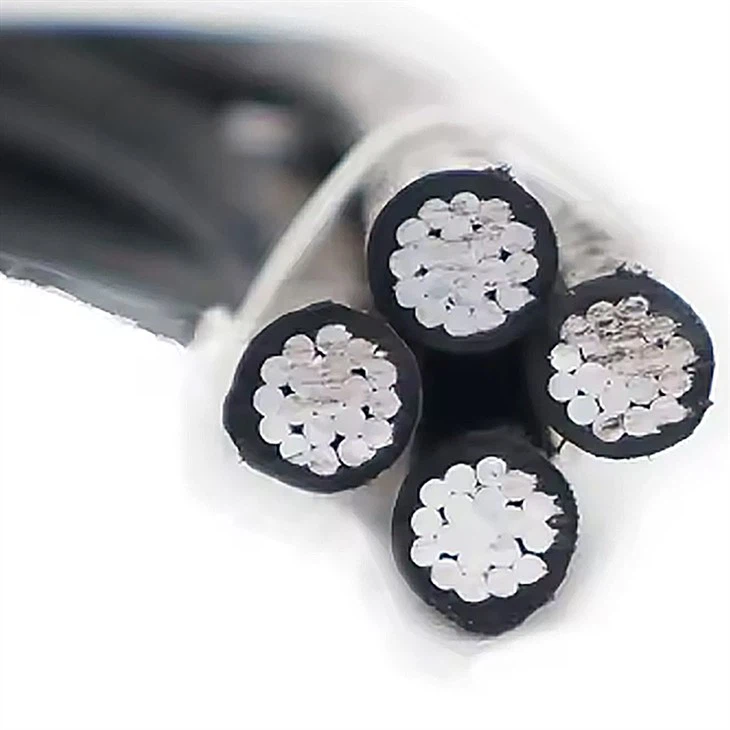

And our Aluminum Aerial Bundled Cable Cable 4 Phase Core is suitable for various power distribution applications. The four - phase core design ensures efficient power transmission, and the bundled structure protects the cables from mechanical damage.
If you're facing issues with your overhead cables or are looking for high - quality cables for a new project, don't hesitate to contact us. We're here to provide you with the best solutions and help you ensure the reliable operation of your power systems. Whether you need advice on cable selection, installation, or maintenance, our team of experts is ready to assist you. Let's work together to keep your power flowing smoothly!
References
- Electrical Power Systems Technology by Peter H. Hammond
- Overhead Transmission Line Engineering by John P. Harrington


