

As a supplier of overhead cable types, I've witnessed firsthand the diverse needs of our clients and the importance of understanding the cost differences between various overhead cable types. In this blog post, I'll delve into the factors that influence the costs of different overhead cables and provide insights to help you make informed decisions for your projects.
Factors Affecting Overhead Cable Costs
Before we explore the cost differences between specific cable types, it's essential to understand the key factors that contribute to the overall cost of overhead cables. These factors include:
- Material Costs: The type of materials used in the cable construction significantly impacts its cost. For example, cables made from copper are generally more expensive than those made from aluminum due to the higher cost of copper.
- Conductor Size: The size of the conductor, measured in cross-sectional area, affects the cable's current-carrying capacity and cost. Larger conductors can carry more current but are also more expensive.
- Insulation Type: The type of insulation used on the cable can vary in cost. Some insulation materials offer better protection against environmental factors and electrical interference but may come at a higher price.
- Manufacturing Process: The complexity of the manufacturing process can also influence the cost of the cable. Cables with specialized features or unique designs may require more advanced manufacturing techniques, which can increase the overall cost.
- Market Demand: The demand for specific cable types can also affect their cost. If a particular cable type is in high demand, the price may be higher due to limited supply.
Cost Comparison of Common Overhead Cable Types
Now that we've discussed the factors that influence overhead cable costs, let's take a closer look at the cost differences between some common overhead cable types:
Aluminum Conductor Steel Reinforced (ACSR)
Aluminum Conductor Steel Reinforced cables are widely used in overhead power transmission and distribution systems. These cables consist of a central steel core surrounded by one or more layers of aluminum strands. The steel core provides strength and support, while the aluminum strands carry the electrical current.
The cost of ACSR cables is relatively low compared to other cable types, making them a popular choice for many applications. The use of aluminum as the conductor material helps to keep the cost down, while the steel core provides the necessary strength and durability. Additionally, ACSR cables have a high current-carrying capacity and are resistant to corrosion, making them suitable for use in harsh environments.
Aluminum Aerial Bundled Cable Cable 4 Phase Core
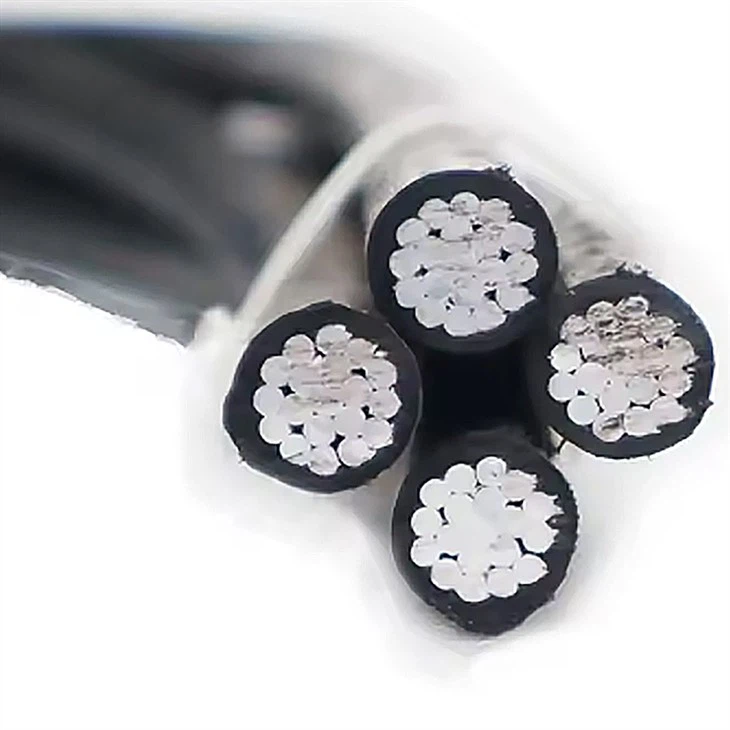
Aluminum Aerial Bundled Cable Cable 4 Phase Core is a type of overhead cable that consists of four aluminum conductors bundled together with a neutral conductor. These cables are commonly used in residential and commercial power distribution systems.
The cost of aluminum aerial bundled cables is generally lower than that of other cable types due to the use of aluminum as the conductor material and the simplified installation process. The bundled design of these cables also helps to reduce the overall cost by eliminating the need for separate conductors and supporting structures. Additionally, aluminum aerial bundled cables are lightweight and easy to install, making them a cost-effective solution for many applications.
Aerial Bundled Cable NO Steel Core
Aerial Bundled Cable NO Steel Core is another type of overhead cable that is commonly used in power distribution systems. These cables consist of multiple aluminum conductors bundled together without a steel core.
The cost of aerial bundled cables without a steel core is typically lower than that of cables with a steel core due to the reduced material and manufacturing costs. However, these cables may have a lower strength and durability compared to cables with a steel core, making them less suitable for use in high-stress applications. Additionally, the lack of a steel core may limit the cable's current-carrying capacity and resistance to environmental factors.

Considerations for Choosing the Right Overhead Cable
When choosing an overhead cable for your project, it's important to consider not only the cost but also the specific requirements of your application. Here are some key considerations to keep in mind:
- Electrical Requirements: Determine the required current-carrying capacity, voltage rating, and insulation level of the cable based on your electrical system's specifications.
- Environmental Conditions: Consider the environmental conditions in which the cable will be installed, such as temperature, humidity, and exposure to sunlight. Choose a cable that is suitable for the specific environmental conditions to ensure its long-term performance and reliability.
- Mechanical Requirements: Evaluate the mechanical requirements of the cable, such as its strength, flexibility, and resistance to vibration and wind. Choose a cable that can withstand the mechanical stresses of the installation environment.
- Installation and Maintenance: Consider the ease of installation and maintenance of the cable. Choose a cable that can be easily installed and maintained to minimize downtime and reduce overall costs.
Conclusion
In conclusion, understanding the cost differences between various overhead cable types is essential for making informed decisions for your projects. By considering the factors that influence cable costs and the specific requirements of your application, you can choose the right cable that provides the best balance of performance, reliability, and cost.
As a supplier of overhead cable types, we are committed to providing our customers with high-quality cables at competitive prices. If you have any questions or need assistance in choosing the right cable for your project, please don't hesitate to contact us. We look forward to working with you and helping you achieve your goals.
References
- IEEE Standard for Overhead Electrical Transmission and Distribution Line Structural Loading
- National Electrical Safety Code (NESC)
- International Electrotechnical Commission (IEC) Standards for Overhead Power Lines


