What are the noise levels associated with overhead line cables?
As a supplier of overhead line cables, I am often asked about the noise levels associated with these essential components of power transmission. Overhead line cables are a common sight across landscapes, from urban areas to rural settings, and understanding the noise they generate is crucial for both regulatory compliance and community acceptance.
Sources of Noise in Overhead Line Cables
The noise produced by overhead line cables can be attributed to several factors. One of the primary sources is corona discharge. Corona discharge occurs when the electric field around the cable exceeds a certain threshold, causing the ionization of the surrounding air. This ionization process results in the emission of audible noise, often described as a hissing or crackling sound. The intensity of corona discharge noise depends on various factors, including the voltage level of the cable, the weather conditions, and the surface condition of the cable.
In addition to corona discharge, wind-induced vibrations can also generate noise in overhead line cables. When the wind blows across the cables, it creates vortices that cause the cables to vibrate. These vibrations can produce a humming or whistling sound, especially at certain wind speeds and frequencies. The noise level associated with wind-induced vibrations can vary depending on the cable's design, tension, and the presence of any damping devices.
Another potential source of noise in overhead line cables is the mechanical movement of the hardware and accessories. For example, the clamps, insulators, and connectors used to support and secure the cables can produce noise when they are subjected to mechanical stress or movement. This noise can be caused by factors such as thermal expansion and contraction, wind-induced vibrations, or the normal wear and tear of the components.
Measuring and Assessing Noise Levels
To determine the noise levels associated with overhead line cables, it is essential to conduct accurate measurements using specialized equipment. Sound level meters are commonly used to measure the noise intensity in decibels (dB). These meters are calibrated to measure the sound pressure level in a specific frequency range, typically from 20 Hz to 20,000 Hz.
When measuring the noise levels of overhead line cables, it is important to consider the background noise in the surrounding environment. Background noise can include traffic noise, industrial noise, and natural sounds such as wind and rain. To obtain accurate measurements, the background noise should be subtracted from the total noise measured at the site.

In addition to measuring the noise intensity, it is also important to assess the frequency characteristics of the noise. Different sources of noise can produce different frequency spectra, which can have different effects on human perception and annoyance. For example, high-frequency noise can be more annoying than low-frequency noise, even at the same sound pressure level.
Factors Affecting Noise Levels
Several factors can affect the noise levels associated with overhead line cables. These factors include:
- Voltage Level: The higher the voltage level of the cable, the greater the likelihood of corona discharge and the associated noise. As the voltage increases, the electric field around the cable becomes stronger, increasing the risk of ionization and corona formation.
- Weather Conditions: Weather conditions can have a significant impact on the noise levels of overhead line cables. For example, high humidity, rain, and fog can increase the likelihood of corona discharge, as the moisture in the air makes it easier for the air to ionize. Wind can also affect the noise levels by causing wind-induced vibrations in the cables.
- Cable Design and Construction: The design and construction of the cable can also affect the noise levels. For example, cables with a smooth surface are less likely to generate corona discharge than cables with a rough surface. The use of special coatings or materials can also help to reduce corona discharge and noise.
- Distance from the Cable: The noise levels decrease with increasing distance from the cable. As a general rule, the noise intensity decreases by about 6 dB for every doubling of the distance from the source. Therefore, the impact of the cable noise on nearby residents or communities can be reduced by increasing the distance between the cable and the sensitive receptors.
Mitigation Measures
To reduce the noise levels associated with overhead line cables, several mitigation measures can be implemented. These measures include:
- Cable Design Improvements: As mentioned earlier, cables with a smooth surface and special coatings can help to reduce corona discharge and noise. The use of larger diameter cables can also reduce the electric field strength around the cable, thereby decreasing the likelihood of corona formation.
- Damping Devices: Damping devices can be installed on the cables to reduce wind-induced vibrations and the associated noise. These devices work by dissipating the energy of the vibrations, preventing them from building up and causing excessive noise.
- Shielding and Insulation: Shielding and insulation materials can be used to reduce the electromagnetic interference and noise generated by the cables. These materials can help to contain the electric and magnetic fields around the cable, preventing them from radiating into the surrounding environment.
- Proper Installation and Maintenance: Proper installation and maintenance of the overhead line cables are essential to minimize noise levels. This includes ensuring that the cables are properly tensioned, the hardware and accessories are securely fastened, and the cables are regularly inspected and maintained to detect and address any potential issues.
Our Product Offerings
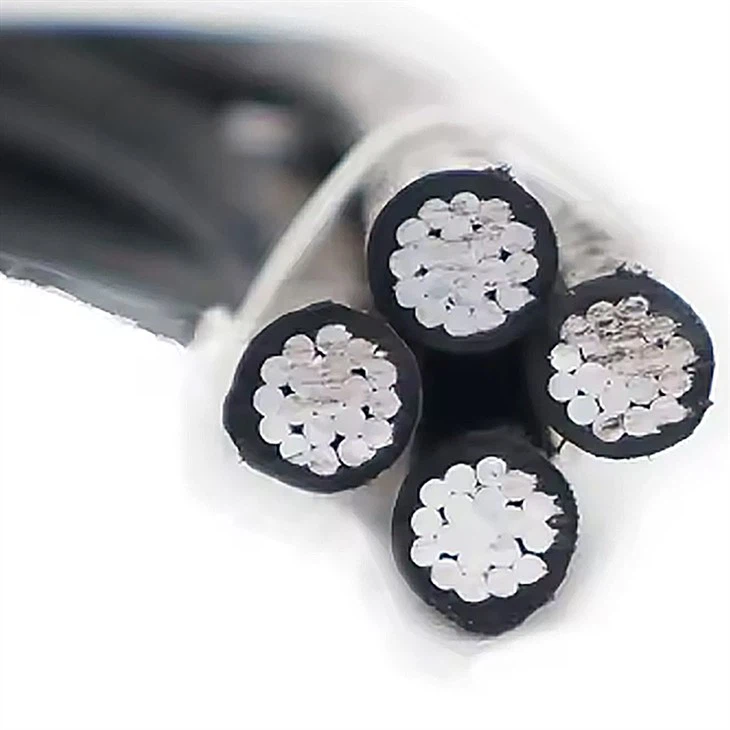
At our company, we offer a wide range of overhead line cables designed to meet the diverse needs of our customers. Our products include Aluminum Conductor Steel Reinforced, which offers high strength and conductivity, Aerial Bundled Cable Strip Steel Core, which provides enhanced protection and durability, and Aluminum Aerial Bundled Cable Cable 4 Phase Core, which is suitable for high-capacity power transmission.
Our cables are designed with noise reduction in mind, using advanced technologies and materials to minimize the impact of corona discharge and wind-induced vibrations. We also offer a comprehensive range of installation and maintenance services to ensure that our cables are installed and maintained to the highest standards, minimizing the potential for noise issues.
Contact Us for Procurement
If you are interested in learning more about our overhead line cables and noise reduction solutions, we invite you to contact us for a consultation. Our team of experts will be happy to discuss your specific requirements and provide you with detailed information about our products and services.
We are committed to providing our customers with high-quality products and excellent customer service. Whether you are a utility company, a contractor, or an industrial customer, we have the expertise and experience to meet your needs. Contact us today to start a discussion about your overhead line cable requirements and how we can help you achieve your goals.
References
- IEEE Guide to the Specification, Design, and Installation of Overhead Transmission Line Conductors
- International Electrotechnical Commission (IEC) standards for overhead power lines
- National Electrical Safety Code (NESC) for the design, installation, and maintenance of electric power and communication lines