

Hey there! As a solar cable supplier, I've seen firsthand the importance of getting the underground burial of solar cables right. It's not just about digging a hole and dropping the cables in; there are several key requirements that need to be met to ensure the safety, longevity, and efficiency of your solar power system. In this blog post, I'll walk you through these requirements, so you know exactly what to expect when burying solar cables underground.
Cable Selection
The first step in burying solar cables underground is choosing the right type of cable. Not all cables are suitable for underground use, so it's crucial to select ones that are specifically designed for this purpose.

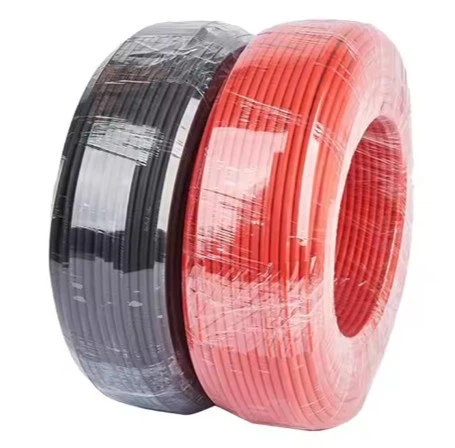
One great option is the Single-core Photovoltaic Cable. These cables are built to withstand the harsh conditions underground, including moisture, temperature variations, and physical stress. They're also designed to have low resistance, which helps to minimize power loss and maximize the efficiency of your solar system.
Another popular choice is the PV Solar Cable. These cables are highly durable and can handle high voltages, making them ideal for use in solar power systems. They're also resistant to UV radiation, which is important since they may be exposed to sunlight during installation or if the ground above them is disturbed.
If you need to extend the reach of your solar cables, the Extension Photovoltaic Dc Cables are a great option. They're designed to connect different parts of your solar system and can be buried underground without any issues.
Depth of Burial
The depth at which you bury your solar cables is crucial. It needs to be deep enough to protect the cables from damage but not so deep that it becomes difficult to install or maintain them.
In general, solar cables should be buried at a depth of at least 18 inches (45 cm). This depth provides enough protection from physical damage, such as from digging or landscaping activities. However, in areas with heavy foot traffic or where there's a higher risk of damage, it's recommended to bury the cables at a depth of 24 inches (60 cm) or more.
It's also important to consider the local building codes and regulations regarding cable burial depth. These can vary depending on your location, so make sure to check with your local authorities before starting the installation.
Trenching
When burying solar cables underground, you'll need to dig a trench. The width and depth of the trench will depend on the number and size of the cables you're burying.
The trench should be wide enough to allow the cables to lie flat without being cramped. A good rule of thumb is to make the trench at least 6 inches (15 cm) wider than the combined width of the cables.
The bottom of the trench should be smooth and free of rocks, roots, or other sharp objects that could damage the cables. You can line the bottom of the trench with a layer of sand or soft soil to provide additional protection.
Conduit Installation
Using a conduit to protect your solar cables is a good idea, especially if you're burying them in areas where they may be exposed to physical damage or environmental factors.
A conduit is a tube that the cables are placed inside. It can be made of various materials, such as PVC, metal, or fiberglass. PVC conduits are a popular choice because they're lightweight, easy to install, and resistant to corrosion.
When installing the conduit, make sure it's large enough to accommodate the cables with some extra space for future expansion. You should also seal the ends of the conduit to prevent moisture and dirt from getting inside.
Grounding
Proper grounding is essential for the safety of your solar power system. Grounding helps to protect the cables and equipment from electrical surges and lightning strikes.
To ground your solar cables, you'll need to connect them to a grounding electrode, such as a ground rod or a grounding plate. The grounding electrode should be installed in the ground near the solar panels or the inverter.
Make sure to follow the manufacturer's instructions and local electrical codes when grounding your solar cables. Improper grounding can lead to serious safety hazards, so it's not something to take lightly.
Protection from Environmental Factors
Solar cables buried underground are exposed to various environmental factors, such as moisture, temperature changes, and soil chemicals. These factors can cause the cables to deteriorate over time, so it's important to take steps to protect them.
One way to protect the cables from moisture is to use waterproof cables or to wrap them in a waterproof material. You can also install a drainage system in the trench to prevent water from pooling around the cables.
To protect the cables from temperature changes, choose cables that are rated for the temperature range in your area. Some cables are designed to withstand extreme temperatures, so make sure to select the right ones for your climate.
Soil chemicals can also damage the cables, especially if the soil is acidic or alkaline. You can test the soil in your area and take appropriate measures to neutralize the chemicals if necessary.
Maintenance and Inspection
Once your solar cables are buried underground, it's important to perform regular maintenance and inspections to ensure they're in good condition.
Inspect the cables periodically for any signs of damage, such as cuts, abrasions, or corrosion. If you notice any damage, replace the damaged section of the cable immediately.
You should also check the grounding system to make sure it's still functioning properly. Over time, the grounding electrode may become loose or corroded, so it's important to tighten the connections and replace the electrode if necessary.
Conclusion
Burying solar cables underground requires careful planning and attention to detail. By following the requirements outlined in this blog post, you can ensure that your solar cables are installed safely and efficiently.
If you're in the market for high-quality solar cables, I'd love to help. As a solar cable supplier, I offer a wide range of products that are designed to meet your specific needs. Whether you need single-core photovoltaic cables, PV solar cables, or extension photovoltaic DC cables, I've got you covered.
Don't hesitate to reach out if you have any questions or if you're interested in discussing your solar cable requirements. I'm here to help you make the best choices for your solar power system.
References
- National Electrical Code (NEC)
- Solar Energy Industries Association (SEIA) guidelines
- Manufacturer's specifications for solar cables
So, if you're looking to get started with your solar project or need to upgrade your existing system, feel free to contact me for more information on our solar cable products. Let's work together to make your solar dreams a reality!


