


Understanding the Structure and Materials of Electrical Cables

Cables are essential in various settings. They help to bring electricity into our homes, buildings, and factories. In this article, you will read about what cables are, what parts make up a cable, and what things cables are made from. If we know this, we will be able to choose the right cable for each job.
What is an Electrical Cable?
An electrical cable is a bundle of wires or conductors that are put together. It is used to carry electricity or signals from one place to another. A cable is essential in any electrical system. It ensures the smooth, safe, and efficient flow of electricity. It is needed in homes, factories, and public areas.
What Are the Parts of an Electrical Cable?
Cables have several main parts. These include conductors, insulation, shielding or armor, outer sheath, and fillers. These parts ensure the cable works properly. Every part helps to make the cable strong, safe, and long-lasting
Cable Conductor: The Core of Electrical Transmission
The conductor is the heart of the cable. It is the part that actually carries the electric current. A good conductor allows electricity to flow easily and helps prevent energy waste. What you use for the conductor makes a big difference in the cable's performance, how far electricity can go, and how long the cable will last.

Here are five common conductor materials:
1.Copper Conductor: Copper is the most common conductor. It has high conductivity and excellent ductility. This metal is excellent at allowing current to flow. It does not get rusty and lasts a long time. Copper is found in various applications.
2.Aluminum Conductor: Its conductivity is about 40% lower than copper. But it is much lighter and costs less. Because it weighs less, it is easier to handle and install. Aluminum is suitable for power projects with long distances or strict weight needs. People mostly use it in overhead high-voltage transmission lines and big cables.
3.Bridge Conductor / Twisted Pair Conductor: This conductor consists of two or more conductors twisted together. It helps minimize electromagnetic interference (EMI) and eliminate noise. It is commonly used in telephone lines, data lines, and other communication systems that require clear signal transmission and stable performance.
4.Armored Conductor: This conductor has a metal layer added on top for protection. This extra layer provides the cable with strength and protects it from damage. These are best for places where cables might get damaged, like underground spots or in busy industrial areas with many machines.
5.Ribbon Conductor: This flat cable consists of multiple small parallel conductors. It saves space and is easy to organize. It is widely used in computers, printers, and other electronic devices that need to transmit a large number of signals in a small space.
Cable Insulation: Protecting the Conductor
Insulation wraps around the conductor. It keeps the current inside and stops people from getting an electric shock. Insulation also shields the cable from heat, water, and chemicals. Good insulation helps the cable stay safe. It makes it last longer and reduces the chance of system problems.
1.Thermoplastic insulation: This kind of insulation does not change at a chemical level when it is heated. The most common material used here is Polyvinyl Chloride (PVC). You will often see it in household wiring. This material is used for up to 70°C.
2.Thermoset insulation: This type does change at a chemical level when it is heated, so it stays stable when the temperature is high. The most common types are cross-linked polyethylene (XLPE) and ethylene propylene rubber (EPR). These materials can be used in cables that reach temperatures as high as 90°C.
There are other types of insulation layers you can use. For example, some of these materials include polyurethane (PUR), silicone rubber, polyethylene (PE), and natural rubber.
Cable Shielding or Armor: The Metal Protection
Shielding or armor surrounds the cable with a layer of metal. This helps to prevent signal interference and physical damage. Shielding and armor are necessary when there is much electrical noise or when the cable might get squeezed or cut. Here are common types:
1.Tin-Plated Copper Braiding: It gives about 80% coverage and has strong shielding. People mostly use it for industrial and high-power work.
2.Copper Wire Wrapping: It has good flexibility and anti-twist performance. You will often see it in robotic setups or applications that move.
3.Aluminum-Laminated Plastic Foil: It is lightweight and effectively blocks high-frequency noise. It also shields against electromagnetic waves. Many use it in communication cables and for sending data.
Cable Outer Sheath: Extra Protection Layer
The outer sheath is the outermost layer on the cable. It keeps all the parts inside the cable safe from water, heat, sunlight, chemicals, and any physical damage. This sheath also helps the cable look better and makes it easy to install.
1.Polyvinyl Chloride (PVC) Sheath: Low cost, safety, and flexibility. Ideal for home and commercial wiring.
2.Polyolefin (PO) Sheath: Fire resistant, halogen-free, and reduces smoke in case of fire. It is commonly used in public places such as buses, shopping centers, or schools.
3.Rubber Sheath: Soft, flexible, and durable. It is often used on portable tools, big machines, and at building sites.
4.Polyurethane (PUR) Sheath: This sheath is very strong and stands up well to oil, rubbing, and harsh chemicals. It is right for tough places like offshore work and heavy industry.
Cable Filler: Keeping the Shape
The fillers fill the gaps between the inner parts of the cable. They help to keep the cable together and hold its round shape. Fillers also make the cable stronger and are suitable for easier installation. They stop the damage from happening by cutting down on rubbing between the parts.
Filling materials often have things like polypropylene tape, non-woven PP rope, and hemp rope. They are not expensive and do not hurt the cable core in any way.
.
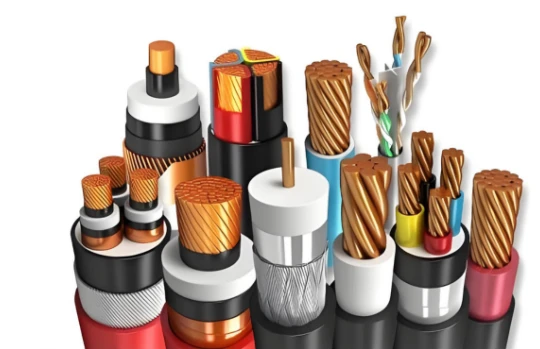
Each part plays a crucial role in keeping the cable working well and safe. The different parts help people put the cable into groups. This makes it easier to know its main features. By knowing this, you can select the best cable for your specific needs. For more information about cable components, please contact us now!


