
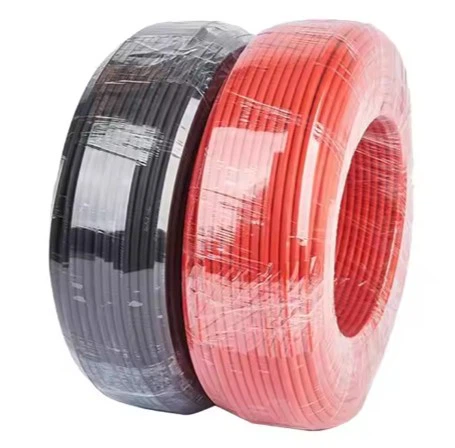
As a supplier of solar PV cables, I understand the crucial role these cables play in the efficient and safe operation of solar power systems. Solar PV cables are responsible for transmitting the direct current (DC) generated by solar panels to inverters, where it is converted into alternating current (AC) for use in homes or businesses. However, these cables are often exposed to various environmental and physical factors that can cause damage, leading to system inefficiencies, safety hazards, and costly repairs. In this blog post, I will share some practical tips on how to protect solar PV cables from physical damage.

Understanding the Risks of Physical Damage
Before we delve into the protection strategies, it's important to understand the common causes of physical damage to solar PV cables. These include:
- Mechanical Stress: During installation, cables may be bent, twisted, or stretched beyond their recommended limits, which can damage the internal conductors and insulation. Additionally, vibrations from wind, machinery, or nearby traffic can cause wear and tear over time.
- External Impact: Cables can be accidentally hit by tools, equipment, or falling objects during installation, maintenance, or construction activities. Rodents and other animals may also chew on the cables, causing significant damage.
- Environmental Factors: Exposure to extreme temperatures, moisture, UV radiation, and chemicals can degrade the cable insulation and outer jacket, making them more susceptible to damage. Sharp rocks, tree branches, and other debris can also puncture or abrade the cables.
Proper Installation Techniques
The first line of defense against physical damage is proper installation. Here are some key installation practices to follow:
- Select the Right Cable: Choose cables that are specifically designed for solar PV applications and are rated for the environmental conditions in which they will be installed. Our PV Solar Cable is made from high-quality materials that offer excellent resistance to UV radiation, ozone, and temperature extremes.
- Plan the Cable Route: Carefully plan the cable route to avoid sharp bends, kinks, and areas where the cables may be exposed to mechanical stress or external impact. Use cable trays, conduits, or raceways to protect the cables and keep them organized.
- Use Appropriate Cable Supports: Secure the cables at regular intervals using cable clips, ties, or hangers to prevent them from sagging or moving. Make sure the supports are strong enough to withstand the weight of the cables and any external forces.
- Avoid Overbending: Follow the manufacturer's recommended minimum bend radius when installing the cables. Overbending can damage the internal conductors and insulation, reducing the cable's performance and lifespan.
- Seal Cable Entries: Seal all cable entries into enclosures, junction boxes, and inverters to prevent moisture, dust, and pests from entering. Use appropriate cable glands or seals to ensure a tight and secure fit.
Protection During Operation
Once the solar PV system is up and running, it's important to take steps to protect the cables from physical damage during operation. Here are some tips:
- Regular Inspections: Conduct regular visual inspections of the cables to check for signs of damage, such as cuts, abrasions, or bulges. Look for any signs of rodent activity, such as chew marks or droppings.
- Maintain a Clean Environment: Keep the area around the solar panels and cables clean and free of debris. Remove any fallen leaves, branches, or other objects that could damage the cables.
- Protect Against Rodents: Rodents can cause significant damage to solar PV cables by chewing on the insulation. Use rodent deterrents, such as ultrasonic devices or rodent-proof enclosures, to keep them away from the cables.
- Monitor Temperature and Humidity: Extreme temperatures and high humidity can accelerate the degradation of cable insulation. Monitor the temperature and humidity levels in the solar PV system and take appropriate measures to keep them within the recommended range.
- Avoid Overloading: Make sure the solar PV system is properly sized and that the cables are rated for the maximum current and voltage they will carry. Overloading the cables can cause them to overheat and increase the risk of damage.
Additional Protection Measures
In addition to proper installation and operation, there are some additional protection measures you can take to safeguard your solar PV cables:
- Use Cable Armor: Consider using armored cables for added protection against mechanical damage. Our Single-core Photovoltaic Cable is available with an optional armored outer jacket that provides excellent resistance to impact, abrasion, and rodent damage.
- Install Cable Guards: Install cable guards or covers in areas where the cables are exposed to potential damage, such as near walkways, driveways, or construction sites. Cable guards can help prevent accidental impact and protect the cables from being cut or crushed.
- Implement Surge Protection: Install surge protectors at the input and output of the solar PV system to protect the cables and other components from voltage spikes caused by lightning strikes or other electrical disturbances.
- Train Personnel: Provide training to your installation and maintenance personnel on proper cable handling and protection techniques. Make sure they are aware of the potential risks of physical damage and know how to take appropriate measures to prevent it.
Conclusion
Protecting solar PV cables from physical damage is essential for the long-term performance and safety of your solar power system. By following the tips outlined in this blog post, you can minimize the risk of cable damage and ensure that your solar PV system operates efficiently and reliably for years to come.
If you have any questions or need further information about our solar PV cables or protection solutions, please feel free to contact us. We are a leading supplier of high-quality solar PV cables and can help you find the right products for your specific needs. Let's work together to protect your solar PV cables and maximize the performance of your solar power system.
References
- International Electrotechnical Commission (IEC). (2016). IEC 62930: Photovoltaic power systems - Requirements for DC cables.
- Underwriters Laboratories (UL). (2019). UL 4703: Standard for Photovoltaic Cables.
- National Electrical Code (NEC). (2020). Article 690: Solar Photovoltaic Systems.


