Insulation resistance is a crucial parameter when it comes to overhead line cables. As a leading overhead line cable supplier, we understand the significance of insulation resistance in ensuring the safe and efficient operation of power transmission and distribution systems. In this blog post, we will delve into what insulation resistance is, why it matters for overhead line cables, and how it is measured.
What is Insulation Resistance?
Insulation resistance refers to the resistance offered by the insulation material of a cable to the flow of electric current. In an ideal scenario, the insulation around the conductors in an overhead line cable should prevent any current from leaking out. However, in reality, there is always a small amount of current that can pass through the insulation due to various factors such as impurities in the insulation material, moisture ingress, or damage to the insulation.
The insulation resistance is measured in ohms (Ω) and is an indication of the quality and integrity of the insulation. A high insulation resistance value implies that the insulation is in good condition and is effectively preventing current leakage. Conversely, a low insulation resistance value may indicate insulation degradation, which can lead to safety hazards such as electrical shocks, short - circuits, and power outages.
Why is Insulation Resistance Important for Overhead Line Cables?
Safety
One of the primary reasons why insulation resistance is important for overhead line cables is safety. Overhead lines carry high - voltage electricity, and any leakage of current can pose a serious threat to people and property. For example, if the insulation resistance of a cable is low, there is a risk of current leaking to the ground or other conductive objects, which can cause electric shocks to individuals in the vicinity. By maintaining a high insulation resistance, we can ensure that the electricity is safely contained within the conductors.
Reliability
Insulation resistance also plays a vital role in the reliability of power transmission and distribution systems. A cable with good insulation resistance is less likely to experience short - circuits or other electrical faults. This means that the power supply can be maintained without interruptions, reducing downtime and improving the overall efficiency of the grid. For industrial customers, reliable power supply is essential for continuous production, and for residential customers, it ensures a comfortable living environment.
Longevity
Proper insulation with high resistance can extend the lifespan of overhead line cables. Insulation degradation can be accelerated by factors such as high temperatures, humidity, and electrical stress. By regularly monitoring the insulation resistance and taking appropriate measures to maintain it, we can slow down the aging process of the insulation and increase the service life of the cables. This not only reduces the frequency of cable replacements but also saves costs in the long run.
Factors Affecting the Insulation Resistance of Overhead Line Cables
Environmental Conditions
The environment in which overhead line cables are installed has a significant impact on their insulation resistance. High humidity can cause moisture to penetrate the insulation, reducing its resistance. For example, in coastal areas where the air is humid and salty, the insulation of cables can be corroded over time, leading to a decrease in insulation resistance. Extreme temperatures can also affect the insulation. High temperatures can cause the insulation material to expand and become more porous, allowing more current to leak through.
Age and Wear
As overhead line cables age, their insulation gradually deteriorates. The continuous exposure to electrical stress, mechanical vibrations, and environmental factors can cause cracks and other damage to the insulation. This damage can increase the conductivity of the insulation and reduce its resistance. Additionally, wear and tear from installation, maintenance, and natural disasters can also affect the insulation resistance.
Contamination
Contamination on the surface of the cable insulation can also lower the insulation resistance. Dust, dirt, and other pollutants can accumulate on the cable, creating a conductive path for current to flow. In areas with high levels of industrial pollution or near construction sites, the risk of contamination is particularly high.
Measuring the Insulation Resistance of Overhead Line Cables
Insulation Resistance Testers
To measure the insulation resistance of overhead line cables, we use insulation resistance testers, also known as megohmmeters or meggers. These testers apply a known DC voltage to the cable insulation and measure the resulting current. Using Ohm's law (R = V/I), the insulation resistance can be calculated.

The testing process typically involves disconnecting the cable from the power source and ensuring that it is properly grounded. The tester is then connected to the cable conductors and the insulation, and the test voltage is applied for a specific period, usually one minute. The insulation resistance value is then read from the tester display.
Regular Testing
Regular insulation resistance testing is essential for detecting any potential problems with the cable insulation early. For overhead line cables, it is recommended to conduct insulation resistance tests during installation, commissioning, and at regular intervals during operation. The frequency of testing depends on various factors such as the type of cable, the environment, and the operating conditions.
Our Overhead Line Cable Products and Insulation Resistance
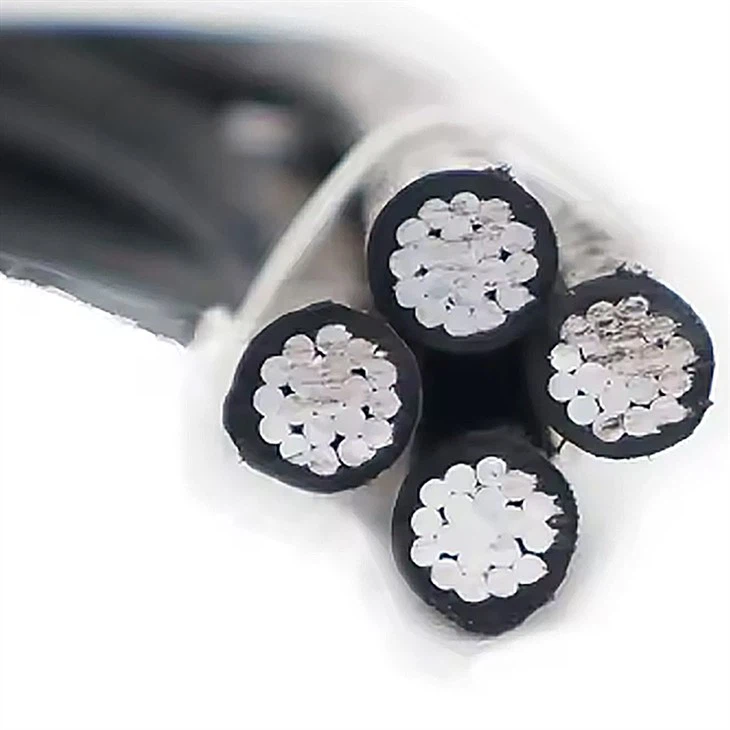
As an overhead line cable supplier, we offer a wide range of high - quality cables with excellent insulation resistance. Our Aluminum Aerial Bundled Cable Cable 4 Phase Core is designed to provide reliable power transmission in various applications. The insulation material used in this cable is carefully selected to ensure high insulation resistance and long - term performance.
Another popular product is our Aluminum Conductor Steel Reinforced cable. This cable combines the high conductivity of aluminum with the strength of steel, making it suitable for long - span overhead lines. The insulation of this cable is engineered to withstand harsh environmental conditions and maintain a high insulation resistance over its service life.
We also provide Aerial Bundled Cable NO Steel Core, which is a cost - effective solution for low - voltage distribution networks. Despite its lower cost, the insulation of this cable is of high quality, ensuring a satisfactory insulation resistance.
Conclusion
Insulation resistance is a critical aspect of overhead line cables. It is essential for ensuring safety, reliability, and longevity of power transmission and distribution systems. As an overhead line cable supplier, we are committed to providing cables with high - quality insulation and excellent insulation resistance. By understanding the factors that affect insulation resistance and conducting regular testing, we can help our customers maintain the performance of their overhead line cables.
If you are interested in our overhead line cable products or have any questions about insulation resistance, we invite you to contact us for a procurement discussion. We look forward to serving you and meeting your cable needs.
References
- Electrical Insulation Handbook for Power Generation, Transmission, and Distribution, Second Edition by Edward G. Cherney, Charles L. Wetherhold, and Thomas A. Blackburn.
- Power System Engineering by Nagrath and Kothari.
- IEEE Standards for Insulation Testing of Electrical Equipment.