

As a supplier of PV1-F solar cables, I often encounter inquiries from customers regarding the cable's resistance to chemical corrosion. This topic is of utmost importance as solar power systems are installed in various environments, some of which may expose the cables to different chemicals. In this blog post, I will delve into the chemical corrosion resistance of PV1-F solar cables, providing a comprehensive analysis based on scientific knowledge and real - world experience.
Understanding PV1 - F Solar Cables
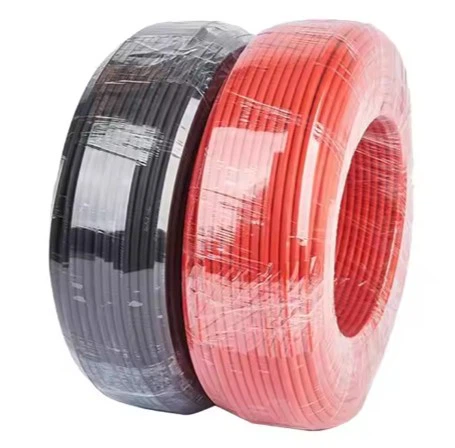
PV1 - F solar cables are specifically designed for use in photovoltaic power systems. They are used to connect solar panels, inverters, and other components in the system. These cables are required to withstand harsh environmental conditions, including high temperatures, UV radiation, and mechanical stress. The PV Solar Cable is a well - known type in the market, and it is crucial to understand its construction and materials to evaluate its chemical corrosion resistance.
The outer sheath of PV1 - F solar cables is typically made of cross - linked polyethylene (XLPE) or ethylene propylene rubber (EPR). These materials are chosen for their excellent electrical insulation properties, mechanical strength, and resistance to environmental factors. XLPE, for example, has a high melting point and good resistance to heat, which is essential for solar applications where the cables may be exposed to direct sunlight and high temperatures.
Chemical Corrosion Mechanisms
Chemical corrosion occurs when a material reacts with chemicals in its environment, leading to a deterioration of its properties. In the case of PV1 - F solar cables, there are several types of chemicals that they may encounter:
- Acids and Bases: In industrial areas or areas with high levels of air pollution, the cables may be exposed to acidic or basic substances. For example, sulfur dioxide in the air can react with water to form sulfuric acid, which can corrode the cable's outer sheath. Bases, such as sodium hydroxide, can also cause damage to the cable materials.
- Salts: In coastal areas, the cables may be exposed to saltwater spray. Salts can accelerate the corrosion process by increasing the conductivity of the environment and promoting electrochemical reactions.
- Oils and Solvents: In some industrial settings, the cables may come into contact with oils, greases, or solvents. These substances can dissolve or swell the cable's outer sheath, leading to a loss of its protective properties.
Resistance of PV1 - F Solar Cables to Chemicals
The resistance of PV1 - F solar cables to chemical corrosion depends on the type of material used in the outer sheath and the nature of the chemicals.
- Resistance to Acids and Bases: XLPE and EPR have relatively good resistance to weak acids and bases. They can withstand mild acidic or basic environments without significant degradation. However, in highly acidic or basic conditions, the outer sheath may start to break down over time. For example, long - term exposure to concentrated sulfuric acid can cause the XLPE to lose its mechanical strength and electrical insulation properties.
- Resistance to Salts: PV1 - F solar cables with XLPE or EPR outer sheaths generally have good resistance to saltwater. The materials are non - conductive and do not react easily with salts. However, if the cable's outer sheath is damaged, saltwater can penetrate the cable and cause corrosion of the inner conductors.
- Resistance to Oils and Solvents: The resistance of PV1 - F solar cables to oils and solvents varies depending on the type of oil or solvent. Some solvents, such as gasoline or acetone, can dissolve or swell the XLPE or EPR outer sheath. However, there are special formulations of PV1 - F cables that are designed to be more resistant to oils and solvents.
Testing and Standards
To ensure the chemical corrosion resistance of PV1 - F solar cables, manufacturers conduct various tests. These tests are based on international standards, such as the IEC 62930 standard for photovoltaic cables.
The IEC 62930 standard includes tests for resistance to chemicals, such as immersion tests in different chemical solutions. The cables are immersed in the solutions for a specified period, and then their properties, such as mechanical strength and electrical insulation, are measured. If the cables meet the requirements of the standard, they are considered to have adequate resistance to chemical corrosion.
Real - World Performance
In real - world applications, PV1 - F solar cables have shown good performance in most environments. In solar power plants located in non - corrosive environments, such as deserts or open fields, the cables can last for more than 25 years without significant chemical corrosion. However, in more challenging environments, such as coastal areas or industrial sites, proper installation and maintenance are required to ensure the long - term performance of the cables.
For example, in coastal areas, the cables should be installed at a sufficient height to avoid direct contact with saltwater spray. In industrial areas, the cables should be protected from exposure to chemicals by using cable trays or conduits.

Conclusion
In conclusion, PV1 - F solar cables generally have good resistance to chemical corrosion, especially when made of high - quality materials such as XLPE or EPR. However, their resistance depends on the type of chemicals they are exposed to and the environmental conditions. By following international standards and proper installation and maintenance procedures, the cables can provide reliable performance in a wide range of environments.
If you are interested in purchasing Single - core Photovoltaic Cable or Extension Photovoltaic Dc Cables, or have any questions about the chemical corrosion resistance of our PV1 - F solar cables, please feel free to contact us for further discussion and procurement negotiation. We are committed to providing high - quality products and excellent service to meet your solar power system needs.
References
- IEC 62930: Photovoltaic cables - General requirements and test methods.
- Textbooks on polymer materials and corrosion science for understanding the properties of XLPE and EPR and chemical corrosion mechanisms.


